
RFID Card Memory and Chip Types: What You Need to Know Before Choosing
RFID Card Memory and Chip Types Explained
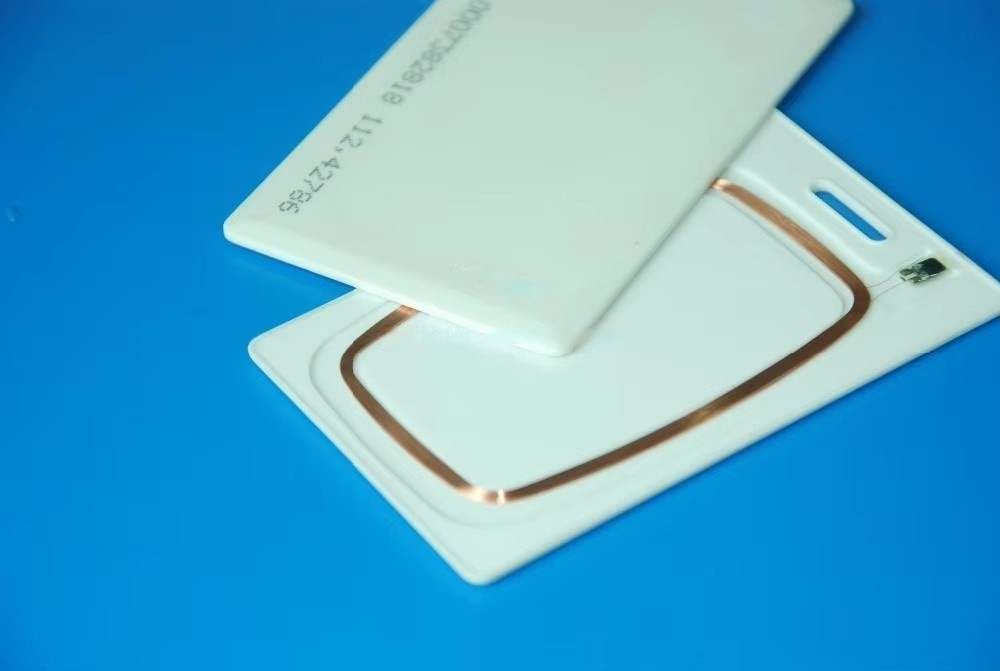
When choosing RFID cards, many people focus on visible details like card design, material quality, or price. But the most important difference between RFID cards is usually hidden inside the card itself — the chip.
Understanding RFID card memory and chip types is essential for choosing the right card for your access control system, payment solution, membership platform, or NFC application.
Different RFID chips offer different levels of memory, security, compatibility, and performance. Choosing the wrong chip can create system limitations, security risks, or future upgrade problems.
Before buying RFID cards, it’s important to understand how RFID memory works and why chip type matters.
Not All RFID Cards Store the Same Information
One of the biggest misconceptions about RFID technology is that all RFID cards work the same way.
In reality, RFID cards can store very different types and amounts of data depending on the chip inside.
Some basic RFID cards only contain a simple identification number. These cards are commonly used for:
- Basic door access systems
- Attendance tracking
- Employee identification
- Simple membership systems
Other RFID cards have larger memory capacity and can store more complex information, including:
- User credentials
- Encrypted authentication keys
- Transaction records
- Payment information
- Access permissions
- Application-specific data
The amount of memory required depends entirely on how the RFID system will be used.
For example, a hotel key card may only require basic identification data, while a secure corporate access system may require encrypted credentials and multiple data sectors.
Understanding RFID Card Memory
RFID card memory refers to how much information the chip can store and how that information can be accessed.
Different chips offer different memory structures, including:
- Fixed memory
- Segmented memory
- Secure encrypted sectors
- User-programmable storage
Cards with larger memory capacity are often used in advanced systems that require multiple applications or encrypted data handling.
However, more memory does not always mean better.
In many simple systems, a low-memory RFID card is perfectly sufficient and more cost-effective.
Choosing the right RFID card memory depends on balancing:
- System requirements
- Security needs
- Budget
- Future scalability
Read-Only vs Read/Write RFID Cards
One of the most important decisions when selecting RFID card memory and chip types is choosing between read-only and read/write cards.
Read-Only RFID Cards
Read-only cards are programmed during manufacturing and cannot be changed afterward.
These cards typically:
- Store a fixed identification number
- Cannot be rewritten
- Offer stable and simple operation
- Reduce accidental data modification
Read-only RFID cards are commonly used in systems where data never needs to change.
Examples include:
- Basic building access
- Parking systems
- Simple employee ID cards
Because the data remains fixed, these cards are often considered more secure for certain applications.
Read/Write RFID Cards
Read/write RFID cards allow data to be updated after the card is issued.
These cards are more flexible and can support:
- Changing access permissions
- Reloadable payment systems
- Membership updates
- Multi-purpose applications
- Dynamic user information
However, read/write capability also requires stronger encryption and better system management to maintain security.
Without proper protection, writable cards may become vulnerable to unauthorized changes or cloning attempts.
RFID Chip Compatibility Matters
Another major factor in choosing RFID card memory and chip types is compatibility.
Not all RFID chips work with all RFID readers.
Different RFID technologies use different communication standards, frequencies, and security protocols. Common RFID chip families include:
- Low-frequency (LF) chips
- High-frequency (HF) chips
- NFC-compatible chips
- Ultra-high-frequency (UHF) chips
Each chip type has unique capabilities and limitations.
This affects:
- Reader compatibility
- Reading distance
- Security level
- Data transfer speed
- System reliability
For example, some NFC chips work perfectly with smartphones, while other access-control chips only function with specialized readers.
Choosing incompatible RFID chips can lead to expensive system failures or hardware replacement later.
Security Differences Between RFID Chip Types
Security is another reason why RFID chip selection matters.
Basic RFID cards with simple ID numbers offer minimal protection and may be easier to duplicate.
More advanced RFID chip types include security features such as:
- Data encryption
- Password protection
- Mutual authentication
- Secure memory sectors
- Anti-cloning technology
For businesses handling sensitive information or secure access control, selecting secure RFID chip technology is extremely important.
Higher-security chips may cost more initially, but they significantly reduce long-term security risks.
How to Choose the Right RFID Card
Before selecting RFID cards, ask a few important questions:
- What data needs to be stored?
- Will the card information change over time?
- What level of security is required?
- Which RFID readers will be used?
- Will the system need future upgrades?
Answering these questions early helps avoid compatibility issues and unnecessary replacement costs later.
Final Thoughts
Understanding RFID card memory and chip types is essential before choosing RFID cards for any system.
The chip inside the card determines how the system performs, how secure it is, and how flexible it will be in the future.
Whether you need simple read-only access cards or advanced encrypted read/write RFID solutions, selecting the right chip technology from the beginning can save time, money, and future system upgrades.





Leave A Comment