
How Long Do RFID Cards Last?
If you’ve ever used an RFID card at a hotel, office, gym, or secure building, you may have wondered: how long do RFID cards last?
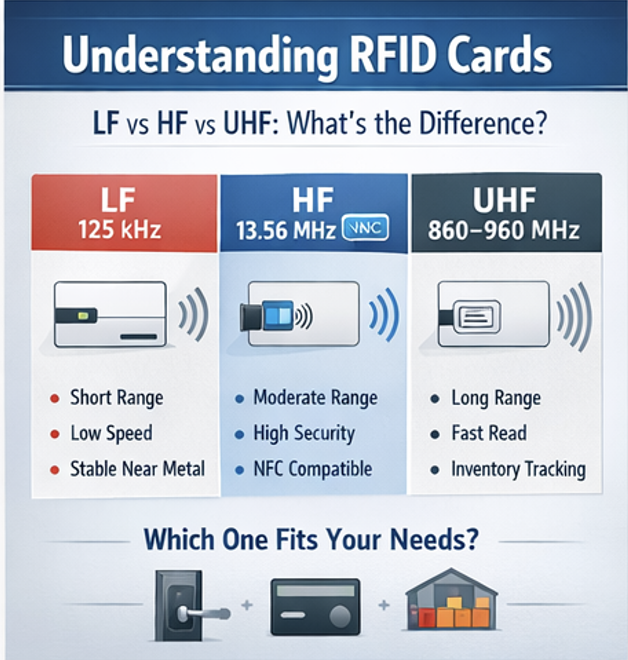
The good news is that RFID cards are designed to be highly durable and reliable for everyday use. Since most RFID cards do not contain batteries, the internal chip can continue functioning for many years without any technical problems.
However, RFID cards do not last forever.
In most real-world situations, the lifespan of an RFID card depends less on the chip itself and more on how the card is used, stored, and handled over time.
Understanding what affects RFID card durability can help businesses and users reduce replacement costs and avoid access issues.
What Is the Average Lifespan of an RFID Card?
On average, RFID cards last between 1 to 3 years with regular daily use.
Cards used occasionally may last much longer — sometimes several years beyond that range. High-quality RFID cards manufactured with stronger PVC or composite materials also tend to survive longer under heavy use.
For example:
- Hotel key cards may be scanned multiple times per day
- Employee access badges are often used daily
- Membership cards may only be used once or twice a week
The more frequently an RFID card is tapped, scanned, bent, or carried around, the faster physical wear can occur.
RFID Chips Usually Don’t “Expire”
Many people assume RFID cards stop working because the chip expires. In reality, the RFID chip itself is usually very stable.
Unlike electronic devices with batteries, passive RFID cards receive power from the RFID reader during scanning. That means there is no battery degradation to worry about.
In many cases, the internal RFID technology can continue functioning for years without failure.
When an RFID card stops working, the problem is usually caused by external damage rather than chip expiration.
Physical Damage Is the Most Common Cause of RFID Card Failure
The most common reason RFID cards fail is physical damage.
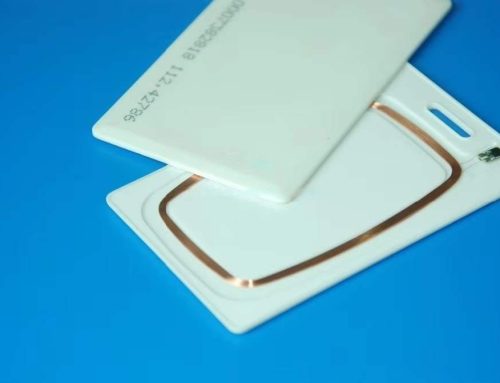
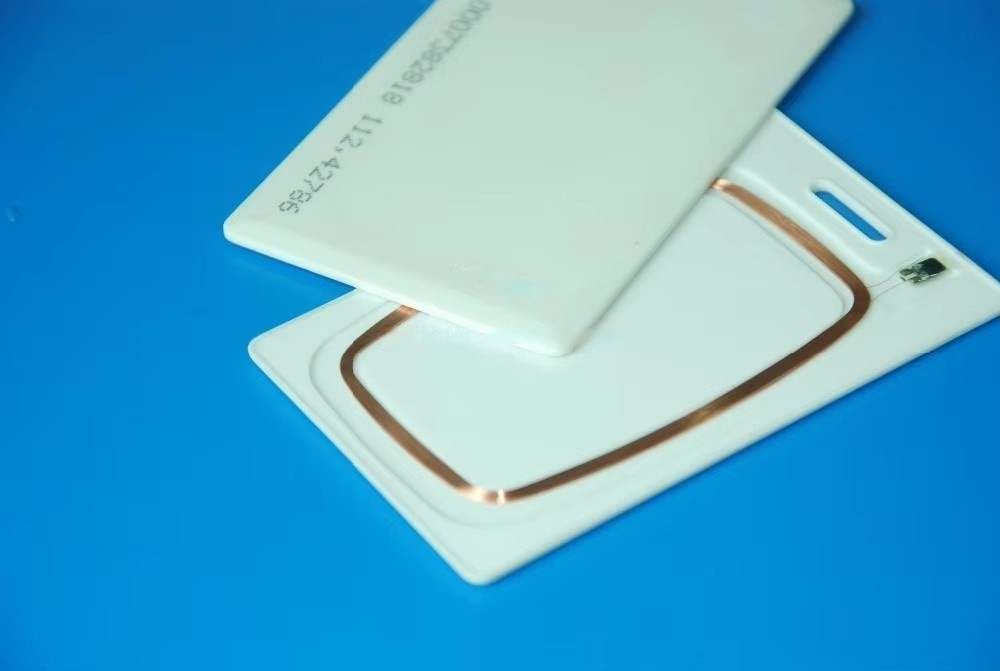
Inside every RFID card is a thin antenna connected to the chip. This antenna allows the card to communicate with the reader. If the antenna becomes cracked or damaged, the card may stop responding completely.
Common causes of damage include:
- Bending the card in wallets or pockets
- Scratching or cracking the surface
- Sitting on the card accidentally
- Punching holes incorrectly near the antenna
- Repeated flexing over time
Sometimes the damage is invisible from the outside, making the card appear normal even though it no longer works.
Environmental Conditions Also Affect RFID Card Lifespan
Another important factor in how long RFID cards last is the environment they are exposed to.
Extreme heat, moisture, and sunlight can slowly weaken the materials inside the card.
For example:
- Leaving RFID cards in hot cars can warp the plastic
- Prolonged sunlight exposure may weaken adhesives and materials
- Humid conditions can damage poorly sealed cards
- Water exposure may affect low-quality cards faster
Industrial environments, outdoor workplaces, and high-humidity areas often shorten the usable life of RFID cards.
Using protective holders or higher-grade materials can significantly improve durability.
Higher-Quality RFID Cards Last Longer
Not all RFID cards are manufactured with the same quality standards.
Low-cost cards may use thinner materials and weaker internal antennas, which can fail more quickly under daily use.
Premium RFID cards often include:
- Stronger PVC or composite construction
- Better antenna protection
- Improved resistance to bending and heat
- Enhanced waterproof sealing
For businesses using RFID systems every day, investing in higher-quality cards can reduce replacement frequency and long-term costs.
How to Make RFID Cards Last Longer
If you want to extend the lifespan of RFID cards, a few simple habits can make a big difference:
- Avoid bending or flexing the card
- Keep cards away from extreme heat
- Store them in protective holders
- Avoid scratching or punching near the center
- Use higher-quality RFID cards for heavy daily use
Proper handling helps maintain both the antenna and the outer structure of the card.
Final Thoughts
So, how long do RFID cards last?
In most cases, RFID cards last between 1 and 3 years with regular use, while lightly used cards may survive much longer. The chip itself is usually very reliable, but physical wear, environmental exposure, and poor handling can shorten the card’s lifespan.
Choosing durable RFID cards and handling them carefully can greatly reduce failures and replacement costs over time.




Leave A Comment