


If your business wants to improve its sustainability footprint, learning how to recycle RFID cards is a fantastic place to start. Radio Frequency Identification (RFID) technology is absolutely everywhere right now. These smart cards are seamlessly deployed across hotels, corporate offices, local gyms, schools, massive events, and public transportation networks.
For the average consumer, the experience is incredibly simple: you tap the card, a green light flashes, and you walk right through the door.
But for forward-thinking businesses managing thousands of these items, a much more pressing question arises. What actually happens when these credentials wear out, expire, or need to be replaced? This environmental question matters far more than most operations managers realize, making it crucial to understand the lifecycle of smart tracking technology.
Table of Contents
1. Why It Is Complicated to Recycle RFID Cards
At first glance, a standard proximity card looks identical to a normal, everyday credit card or gift card. However, beneath that smooth plastic exterior lies a highly complex electronic architecture.
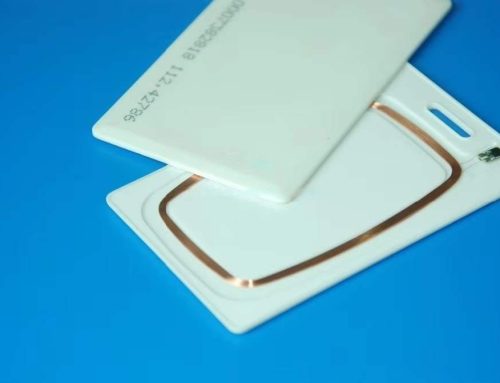
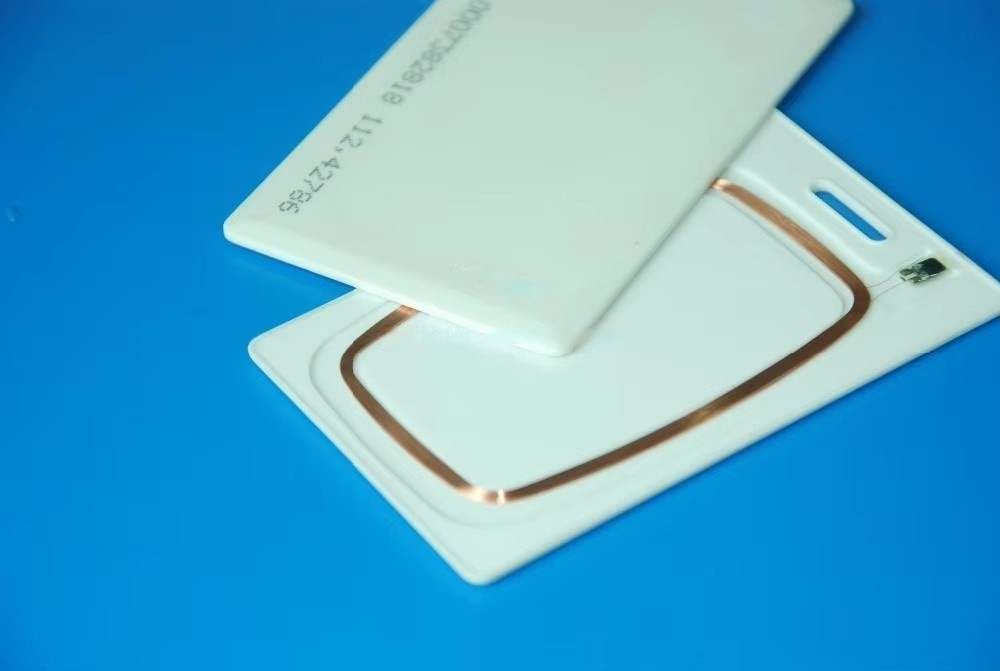
An RFID card contains a microscopic silicon microchip and a coiled copper or aluminum antenna. These internal components allow the card to communicate wirelessly with an external reader using radio frequency waves. While this internal tech makes the system incredibly useful for security, it makes the physical recycling process significantly more difficult.
A regular piece of plastic is already difficult to sort depending on your local municipal capabilities. An RFID item is even more complex because it fuses completely different materials—metals and polymers—into a single, solid product. Therefore, when you ask if you can recycle RFID cards, the honest answer is that it depends heavily on the base material composition and the specialized separation technology available in your region.
2. The Hidden Environmental Impact of Smart Card Waste
Every single year, billions of PVC credentials are manufactured worldwide, and a shocking percentage of them end up directly in landfills. When standard PVC cards are thrown into general waste, they do not biodegrade. Instead, they break down over centuries into toxic microplastics that contaminate soil and local water supplies.
Furthermore, throwing away electronic components means wasting valuable precious metals like copper. When your business implements a dedicated program to recycle RFID cards, you prevent harmful e-waste from accumulating while actively recovering valuable raw metals back into the circular economy.
3. Sustainability Starts Long Before the Recycling Bin
While finding a reliable way to recycle RFID cards is a vital goal, your primary operational focus should actually be reducing waste before it is ever created. For many commercial enterprises, the single greatest green opportunity lies in selecting highly durable credentials that simply last longer.
Choosing low-cost, low-quality options might seem like an excellent way to save money during the initial purchase phase. However, if those cheap cards rapidly crack, bend, fade, or suffer internal antenna failures, you will have to replace them constantly.
Over time, this rapid turnover creates massive amounts of preventable plastic waste and significantly drives up your total cost of ownership. Investing in premium, ruggedized materials drastically reduces your replacement frequency, creating an easier workflow for high-traffic environments like hotels, universities, and commercial real estate hubs.
4. Eco-Friendly Materials Changing the RFID Landscape
Modern manufacturing innovations mean that companies are no longer trapped using traditional, non-recyclable PVC plastics. Today, smart credentials can be built using a wide variety of specialized substrates depending on your exact operational requirements.
Sustainable Material Comparison Table
| Material Type | Durability Rating | Environmental Benefit | Best Used For |
| Recycled PVC (rPVC) | Very High | Reduces virgin plastic creation | Corporate access control |
| Wood / Bamboo | High | 100% Biodegradable core | Luxury hotel key cards |
| PETG / PET | High | Recyclable in standard facilities | Long-term membership cards |
| Paper-Based | Medium-Low | Easily compostable/recyclable | Short-term music festivals & events |
There is no single “perfect” material that fits every single commercial deployment. The right choice for your facility depends heavily on how the card is handled, environmental exposure, and the specific eco-friendly brand image your business wants to project to the public.
5. The Total Lifecycle Audit: Questions Businesses Must Ask
When purchasing new credentials, far too many procurement departments focus strictly on the upfront unit price. While managing budgets is incredibly important, it is only one small piece of a much larger puzzle.
Sustainability Note: To establish a truly green operation, you must evaluate the entire physical lifecycle of your credential technology from production to disposal.
Before placing your next high-volume order, sit down with your operations team and answer these critical questions:
-
How long will each credential actively remain in service?
-
Will the cards be exposed to extreme outdoor heat, moisture, or direct sunlight?
-
What percentage of cards are lost or discarded by users every month?
-
Do you have a clear collection system to gather old or returned cards from users?
-
Does your local municipal facility have the technical capability to recycle RFID cards?
6. Actionable Strategies to Recycle RFID Cards Responsibly
If you are ready to transition away from wasteful habits and optimize your disposal workflows, there are several highly effective steps your business can take right now.
Partner with Specialized E-Waste Recyclers
Standard municipal curbside bins cannot process composite smart cards. Instead, you should partner with dedicated electronic waste processors who possess specialized shredding and separation machinery. For authoritative guidelines on identifying certified e-waste processors, check out the EPA Regulations on Electronic Waste Management or explore regional recycling programs via Earth911.
Implement an Internal Take-Back Program
Set up clearly labeled drop boxes at exit points, front desks, and reception areas. Encourage employees, guests, or students to return their credentials when checking out or leaving the company. Gathering cards in bulk makes it significantly easier to ship them to a specialized facility that knows exactly how to safely recycle RFID cards.
Transition to Virtual Credentials
The ultimate way to minimize physical waste is to eliminate the physical plastic altogether. Modern access control platforms allow users to store secure credentials directly inside their Apple Wallet or Google Wallet smartphone applications. For a deep dive into implementing digital building access, read our comprehensive Internal Guide to Mobile Access Control Deployment.
Final Thoughts
RFID cards may seem small, but because they are utilized by billions of people every day, their collective environmental impact is massive. Achieving true sustainability in your operations is not just about tossing items into a blue bin at the very end of their life.
True environmental responsibility means making smarter material choices right from the beginning, investing in long-lasting hardware, and working with certified partners to recycle RFID cards properly. By looking at the complete lifecycle of your security technology, your business can protect its bottom line while playing a major role in safeguarding the planet.


Leave A Comment